Learn Jordanian Arabic in Jordan
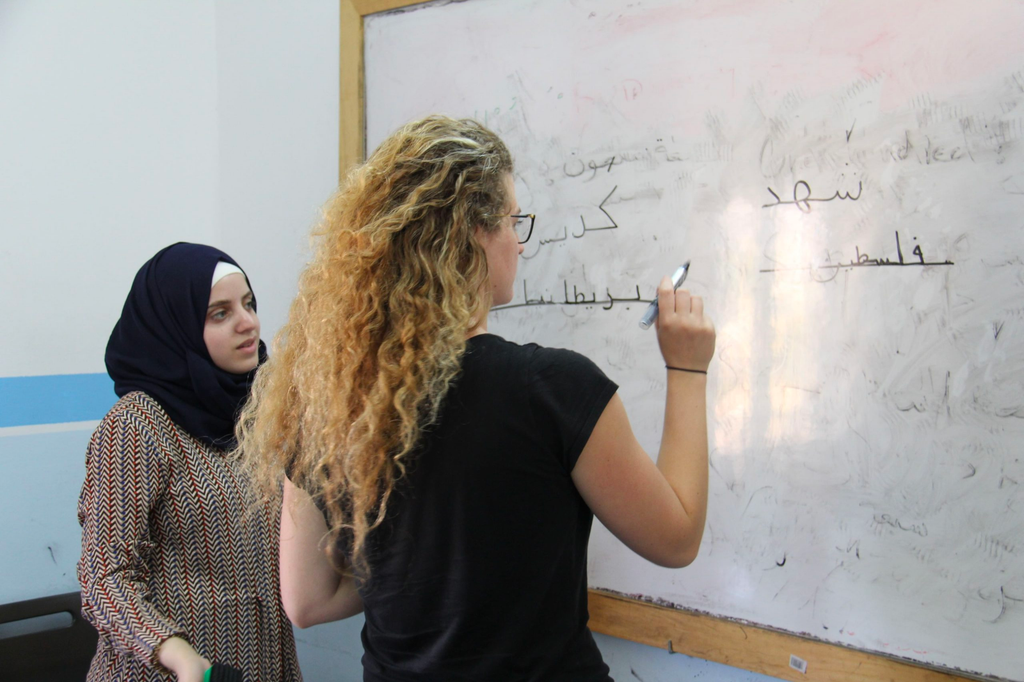
Would you like to speak Arabic naturally with local people, understand everyday conversations, and experience Jordanian culture beyond the typical tourist experience? Learning Jordanian Arabic is one of the most rewarding ways to connect with the people and traditions of Jordan.
Jordanian Arabic, commonly known as Ammiya (العامية الأردنية), is the variety of spoken Arabic used in everyday life throughout Jordan. It belongs to the wider family of Levantine Arabic dialects spoken across Jordan, Palestine, Syria, and Lebanon.
At Do Jordan, our Jordanian Arabic language programs aim to help international students develop practical speaking and listening skills while experiencing daily life in Amman. Whether you are a complete beginner or already have some Arabic knowledge, studying Jordanian Ammiya provides opportunities to communicate more confidently and build meaningful connections with local communities.
What Is Jordanian Arabic (Ammiya)?
Jordanian Arabic is the everyday spoken language used by people across Jordan. It is heard in homes, cafés, markets, workplaces, universities, and social gatherings.
Although Modern Standard Arabic is widely used in formal writing, news, and official communication, Jordanian Ammiya is the language that people generally use in informal conversations.
Jordanian Arabic shares many features with other Levantine dialects, making it a useful foundation for understanding spoken Arabic in neighboring countries.
There are also regional variations within Jordan, including urban, rural, and Bedouin speech patterns. Learning the language in Jordan allows students to encounter these differences naturally.
Why Learn Jordanian Arabic Instead of Only Modern Standard Arabic?
Modern Standard Arabic (MSA), known as Fusha, is essential for reading, writing, formal communication, and understanding news and literature.
However, if your main goal is to communicate with people in everyday situations, learning Jordanian Arabic can be especially valuable.
For example, a student who studies only Modern Standard Arabic may understand formal written sentences but find it difficult to follow fast, informal conversations.
Jordanian Arabic introduces learners to common expressions, natural pronunciation, and everyday vocabulary.
Learning both Fusha and Ammiya can provide a balanced understanding of Arabic, but students who prioritize conversation may choose to focus primarily on spoken Jordanian Arabic.
Everyday Jordanian Arabic Expressions
One of the most enjoyable parts of learning Jordanian Arabic is discovering the expressions people use in daily life.
Here are a few examples:
| English | Jordanian Arabic | Pronunciation |
|---|---|---|
| Hello | مرحبا | Marhaba |
| How are you? | كيفك؟ | Keefak / Keefik |
| What is your name? | شو اسمك؟ | Shu ismak / ismik |
| Thank you | شكراً | Shukran |
| What? | شو؟ | Shu? |
| I want | بدي | Biddi |
| Where? | وين؟ | Wein? |
| How much is this? | بكم هاد؟ | Bkam had? |
| Let’s go | يلا | Yalla |
| No problem | ولا يهمك | Wala yhemmak |
Pronunciation and wording can vary depending on the speaker and region.
Learning these expressions helps students feel more comfortable interacting with local residents from the beginning of their stay.
Study Jordanian Arabic in Amman
Amman is an excellent destination for international students who want to learn spoken Arabic in a natural environment.
The city offers countless opportunities to hear and practice Jordanian Arabic in everyday situations.
Students can practice ordering food at restaurants, asking questions in shops, speaking with taxi drivers, and participating in conversations with local residents.
Neighborhoods such as Jabal Al-Weibdeh, Jabal Amman, and Downtown Amman provide opportunities to experience the city’s social and cultural life.
Studying Arabic in Amman allows learners to connect classroom lessons with real-world communication.
Jordanian Arabic Courses for Beginners
If you have never studied Arabic before, Jordanian Ammiya can be an engaging starting point.
Beginner courses can introduce students to basic pronunciation, common vocabulary, greetings, simple questions, and everyday conversations.
Students gradually learn how to introduce themselves, discuss daily activities, order food, and communicate in familiar situations.
The focus is on building confidence and developing practical communication skills from the beginning.
Depending on the course format, lessons may also introduce Arabic script or use transliteration to support early speaking practice.
Intermediate and Advanced Jordanian Arabic Courses
Students who already have some knowledge of Arabic can focus on developing greater fluency and understanding more complex conversations.
Intermediate courses may include storytelling, discussions about everyday topics, listening practice, and expanding vocabulary.
Advanced learners can explore idiomatic expressions, cultural references, regional accents, and more detailed discussions about Jordanian society.
These learning opportunities can be particularly valuable for researchers, journalists, professionals, and students preparing to spend extended periods in Arabic-speaking communities.
Intensive and Super Intensive Jordanian Arabic Courses
Do Jordan also offers opportunities to explore intensive and super intensive Arabic language study.
Intensive Jordanian Arabic courses are designed for students who want regular, focused lessons and consistent language practice.
Super intensive options are intended for highly motivated learners who prefer a more concentrated schedule and greater exposure to the language.
Students can focus on Jordanian Ammiya or explore a combination of spoken Arabic and Modern Standard Arabic, depending on their learning goals and available arrangements.
Course duration, weekly hours, and schedules can be confirmed before enrollment.
Practice Jordanian Arabic with Local People
Learning a language becomes more meaningful when students can use it outside the classroom.
Jordan offers opportunities to practice spoken Arabic while shopping, visiting cafés, attending cultural activities, and interacting with local communities.
At Do Jordan, we encourage learners to use their Arabic skills in everyday situations and explore opportunities for cultural exchange.
Regular conversations with Arabic speakers can help students improve listening comprehension, pronunciation, and confidence.
These interactions also introduce learners to expressions, humor, social customs, and communication styles that are difficult to learn through textbooks alone.
Learn Jordanian Culture Through Language
Jordanian Arabic reflects the country’s traditions, hospitality, humor, and social relationships.
Many common expressions are closely connected to everyday customs and cultural values.
By studying Jordanian Ammiya, students gain more than language skills. They also develop a deeper understanding of how people communicate, build relationships, and express themselves.
Cultural activities such as cooking workshops, Arabic calligraphy, traditional crafts, and community visits can complement language learning.
This combination of language and culture makes studying Arabic in Jordan a rewarding educational experience.
Who Should Learn Jordanian Arabic?
Jordanian Arabic courses are suitable for a wide range of learners, including:
- International students interested in Arabic and Middle Eastern studies
- Travelers who want to communicate with local residents
- Volunteers participating in community programs
- Professionals working in education, journalism, development, or international organizations
- Researchers interested in Jordanian society and culture
- Heritage learners who want to strengthen their spoken Arabic
- Anyone interested in learning a new language and discovering Arab culture
Students do not necessarily need previous Arabic language experience to begin learning Jordanian Ammiya.
Why Choose Do Jordan to Learn Jordanian Arabic?
At Do Jordan, we believe that studying Arabic should be connected to real-life communication and cultural understanding.
Our approach emphasizes practical language learning, opportunities for conversation, and meaningful engagement with Jordanian society.
By studying Jordanian Arabic in Amman, students can develop their language skills while discovering the country’s traditions, communities, and everyday life.
Whether you want to learn basic conversational Arabic or improve your existing speaking abilities, Do Jordan can help you explore suitable language learning opportunities.
Start Learning Jordanian Arabic with Do Jordan
Learning Jordanian Arabic opens the door to more meaningful conversations, stronger cultural connections, and a deeper understanding of life in Jordan.
From ordering coffee in Amman to discussing everyday topics with local residents, every interaction becomes an opportunity to practice and improve.
Join Do Jordan and discover the benefits of learning Jordanian Arabic in Jordan. Speak with confidence, connect with local people, and experience the language as it is used in everyday life.
Contact Do Jordan to learn more about Jordanian Arabic courses, intensive study options, available schedules, and enrollment arrangements.